

Honest tools for people questioning their relationship with alcohol or ready to quit entirely
You don't need to have lost everything to be here. You don't need a diagnosis, a bottom, or a label. If alcohol is taking more than it's giving that's enough. This is the most comprehensive free guide to understanding and changing your relationship with alcohol.
Understanding What Alcohol Actually Does
What happens when you drink
When you drink alcohol, it increases GABA (the calming neurotransmitter) and suppresses glutamate (the excitatory one). That's why alcohol feels relaxing at first it's literally slowing your brain down. But your brain adapts. Over time it produces less GABA naturally and more glutamate to compensate. This is why you need more alcohol to get the same effect, and why stopping feels so physically uncomfortable.
What alcohol does to sleep
Alcohol suppresses REM sleep the restorative stage where emotional processing and memory consolidation happen. Even if you sleep 8 hours after drinking, you wake up cognitively impaired and emotionally flat. In early sobriety, sleep often gets worse before it gets better as the brain recalibrates its sleep architecture. This is normal, expected, and temporary.
The dopamine trap
Alcohol triggers a large release of dopamine the brain's reward chemical. But over time, your brain reduces its baseline dopamine production in response. This is why people in early sobriety often feel flat, unmotivated, or unable to feel pleasure from things they used to enjoy. This is called anhedonia, and it's temporary. Understanding it matters because it means the flatness isn't a personality change it's a brain recalibration that resolves, usually within 3-6 months.
What alcohol does to sleep
Alcohol destroys the gut microbiome specifically the beneficial bacteria that produce serotonin. 90% of your serotonin is produced in your gut, not your brain. This is why people in heavy alcohol use often experience anxiety, depression, and mood instability and why nutrition matters so much in recovery.
FREE TOOL — The Drink Diary
-> For one week before deciding anything just track your drinking honestly.
-> When did you drink? How much? What were you feeling beforehand?
-> What did you feel after? The next morning?
-> You don't have to change anything yet. Just observe.
-> This is the first tool in the 7-Day Rebuild Reset download it free below
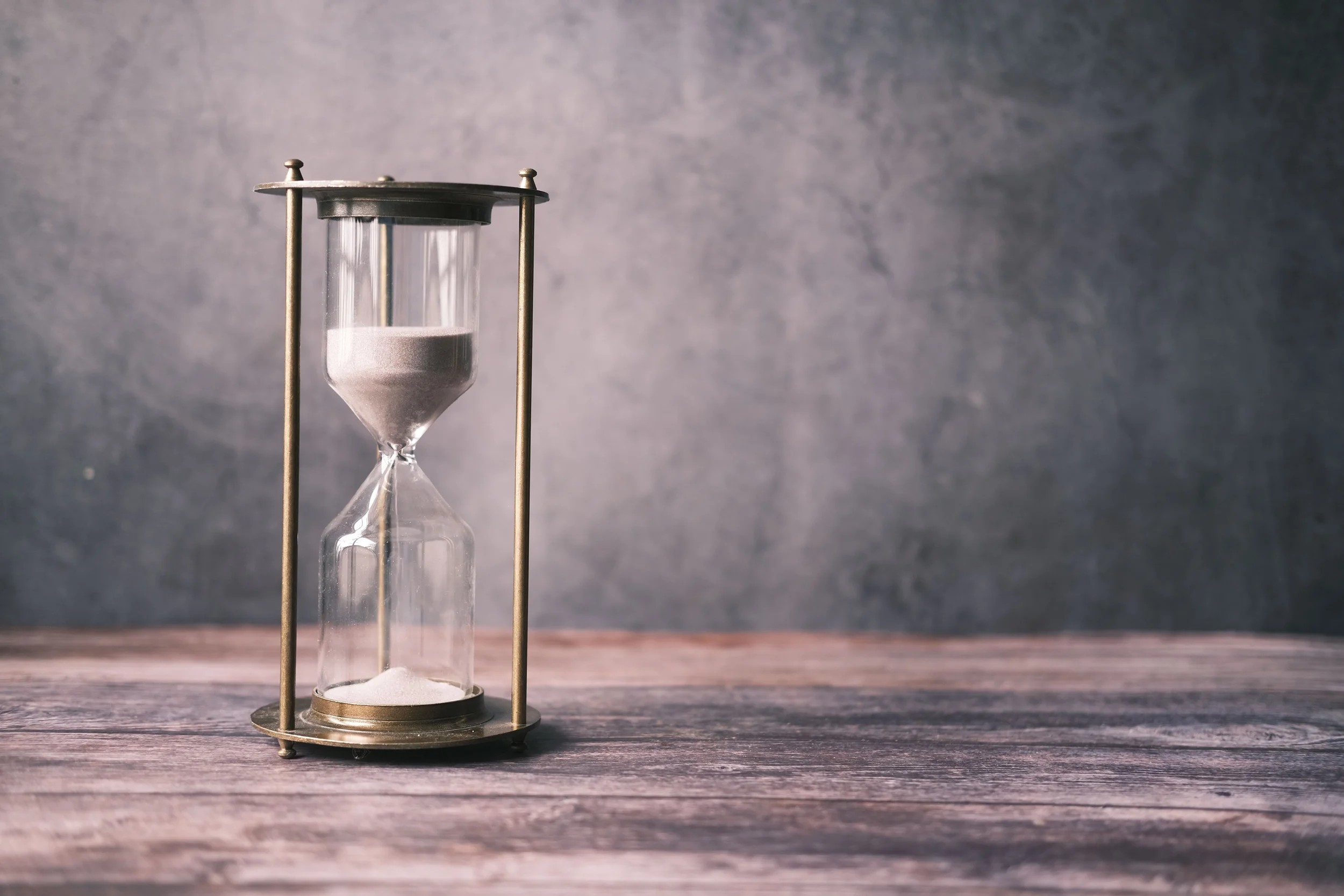
The Timeline of Early Sobriety
-
Depending on how much you were drinking, the first 24 hours can range from uncomfortable to medically serious. Common experiences: anxiety, sweating, tremors, insomnia, irritability. If you've been drinking heavily every day for months, please speak to a doctor before stopping abruptly withdrawal can be dangerous without medical support.
-
Most people feel worse before they feel better. Sleep is disrupted. Emotions feel raw and unregulated. Cravings come in waves usually lasting 20-30 minutes before passing. The brain is recalibrating its chemistry. This is the hardest week. The 7-Day Rebuild Reset was built specifically for this period.
-
Many people experience a euphoric period around week 2 — the 'pink cloud' where sobriety feels easy and everything seems clear. This is real, but it's often followed by a harder emotional period as the brain fully recalibrates and the underlying reasons for drinking become more visible. This is not a sign that something is wrong. It's the real work beginning.
-
Anhedonia — the inability to feel pleasure peaks around month 2 for many people. Things that used to feel good feel neutral. This is the dopamine system recalibrating. It passes. Regular exercise accelerates this process significantly which is why Sober Strong 30 starts exactly when most people need it most
-
Most people report a meaningful shift around the 90-day mark. Sleep improves. Mood stabilizes. The brain has largely recalibrated. Relationships begin to repair. The identity question who am I without alcohol? becomes the central work. This is what The Rebuild Roadmap is built for.
-
Long-term sobriety is about identity, not willpower. People who sustain sobriety build a life they don't want to escape from. They find movement, connection, purpose, and routine that replace what alcohol was giving them. This is the long game and it's winnable
THE 8:14 SOBRIETY TOOLKIT — FREE
-> The HALT method: check Hungry, Angry, Lonely, Tired before acting on any craving
-> The 20-minute rule: most cravings peak and pass within 20 minutes if you ride them out
-> Urge surfing: observe the craving like a wave feel it rise, peak, and fall without acting
-> The 5-4-3-2-1 grounding technique: name 5 things you see, 4 you hear, 3 you can touch
-> The DISRUPT move: change your location, your posture, or your activity immediately
-> The 3am text: have one person you can contact at any hour someone who gets it
The Sober Curious Question
Not everyone who reads this page has a 'drinking problem' in the clinical sense. Many people are simply questioning whether alcohol is serving them and that question is worth taking seriously.
What sober curious means
The sober curious movement is about examining your relationship with alcohol with honest curiosity not shame, not diagnosis. It asks: what would my life look like with less or no alcohol? What am I actually getting from drinking? What am I giving up? These are good questions for anyone, regardless of how much or how little they drink.
The questions worth asking
Do you drink to relax, or do you need to drink to relax? Do you drink to socialize, or do you struggle to socialize without drinking? Do you think about drinking more than feels comfortable? Have you tried to cut back and found it harder than expected? None of these questions have a 'right' answer but they're worth sitting with honestly.
What 30 days alcohol-free actually shows you
The most revealing experiment is 30 days without alcohol. Not forever. Just 30 days. In that time you'll discover your baseline energy, mood, and sleep without alcohol. You'll find out which social situations feel uncomfortable sober and what that tells you. You'll learn whether your reasons for drinking are about pleasure or escape. The 7-Day Rebuild Reset is the gentlest possible starting point.
The Programs

A gentle place to begin again.
The 7-Day Rebuild Reset was created for people who feel stuck, overwhelmed, disconnected from themselves or simply ready for a different way forward. Through small daily actions focused on movement, mindset, and nourishment, this program helps you reconnect with your body and rebuild momentum one day at a time.
No pressure. No perfection. Just a simple reset designed for real life.

Recovery changes your mind but movement helps rebuild your body, confidence, and identity.
Sober Strong 30 is a 30-day fitness program designed specifically for people rebuilding their lives. Whether you’re early in sobriety, returning to movement after burnout, or simply trying to feel like yourself again, this program meets you where you are.
No gym required. No toxic fitness culture. No shame.
Just practical movement that helps you feel stronger physically, mentally, and emotionally.
ASK RILEY — FREE, ALWAYS
-> Not sure which program is right for you? Ask Riley.
-> She'll ask you a few questions about where you are and point you in the right direction.
-> No sales pitch. No pressure. Just honest guidance.
-> Button: Talk to Riley -> /riley

Not a quick fix. A real rebuild.
The Rebuild Roadmap is the full 8:14 system for people starting over mentally, physically, and emotionally. This program combines sobriety support, movement, food, mindset, and identity work into one structured path forward.
Built from lived experience, this roadmap is designed to help you create routines, stability, confidence, and clarity during seasons of change.